Intracytoplasmic Sperm Injection

ICSI Success Rate 80%*

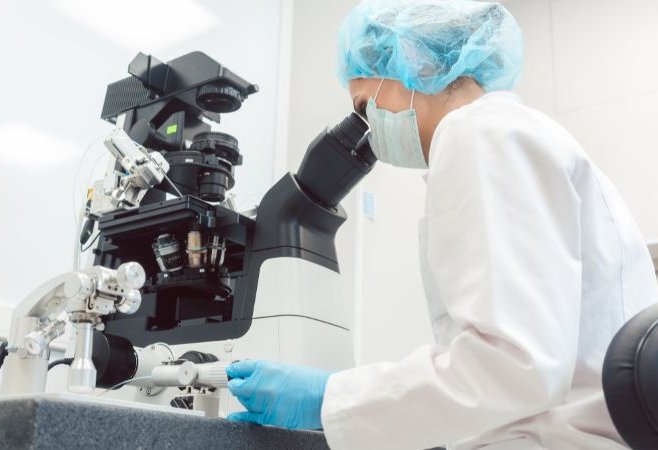
Advanced Embryology Laboratory

Personalized Treatment Plans
Intracytoplasmic Sperm Injection (ICSI): A Targeted Approach to Fertilization

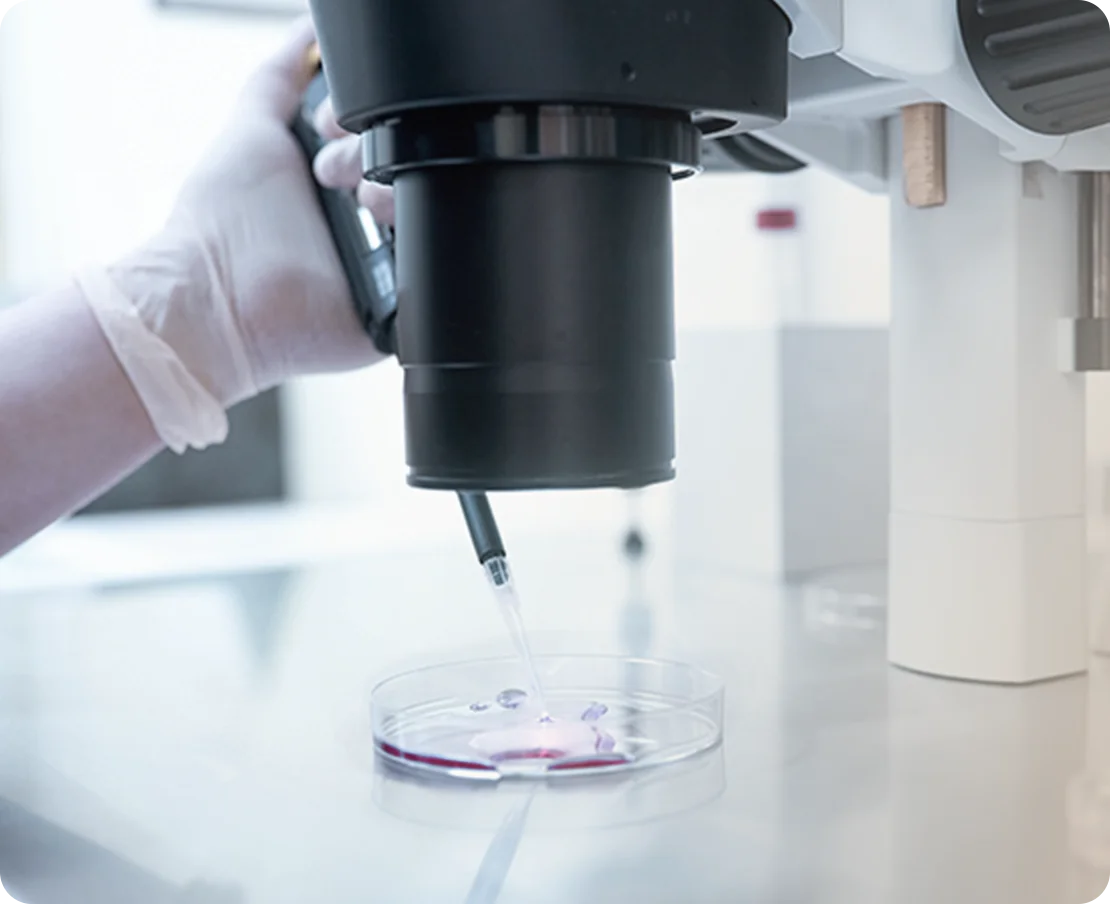
Intracytoplasmic sperm injection (ICSI) is an advanced fertility treatment used alongside IVF to assist fertilization. During ICSI, a single sperm is carefully injected directly into an egg to help achieve fertilization.


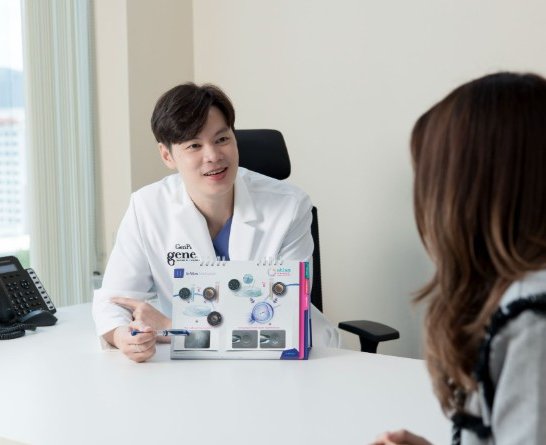
At Genea Thailand, ICSI is offered as part of our advanced IVF treatment options. Our fertility specialists assess each patient's individual circumstances to determine whether ICSI may be appropriate, taking factors such as sperm quality, previous fertilization results and fertility history into consideration.

Who May Benefit from ICSI Treatment?

ICSI (Intracytoplasmic Sperm Injection) is an advanced fertilization technique used as part of IVF treatment. ICSI may be recommended for individuals or couples experiencing male factor infertility or certain fertilization challenges. Your fertility specialist will assess your individual circumstances to determine whether ICSI is appropriate for you.

  • ICSI may be considered in cases such as:
  • Low sperm count (oligospermia) – when the number of sperm available for fertilization is low.
  • Poor sperm motility (asthenozoospermia) – when sperm have difficulty moving effectively towards the egg.
  • Abnormal sperm morphology (teratozoospermia) – when a high proportion of sperm have an abnormal shape or structure.
  • Previous failed or low fertilization with conventional IVF – particularly when standard IVF has not resulted in adequate fertilization.
  • Previous vasectomy or unsuccessful vasectomy reversal – when sperm retrieval may be required for use in IVF-ICSI treatment.

The ICSI Process: What to Expect

ICSI is performed as part of an IVF treatment cycle. The process involves several stages, from ovarian stimulation and egg collection to sperm preparation, fertilization and embryo culture.
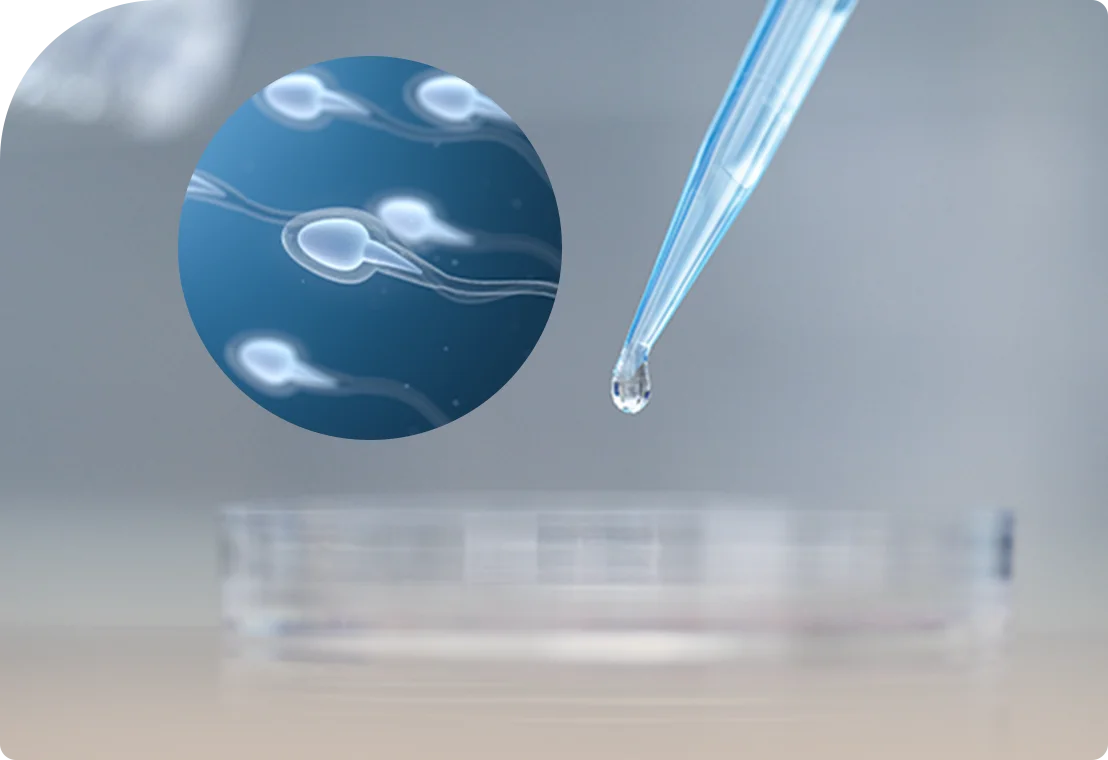
Sperm Preparation
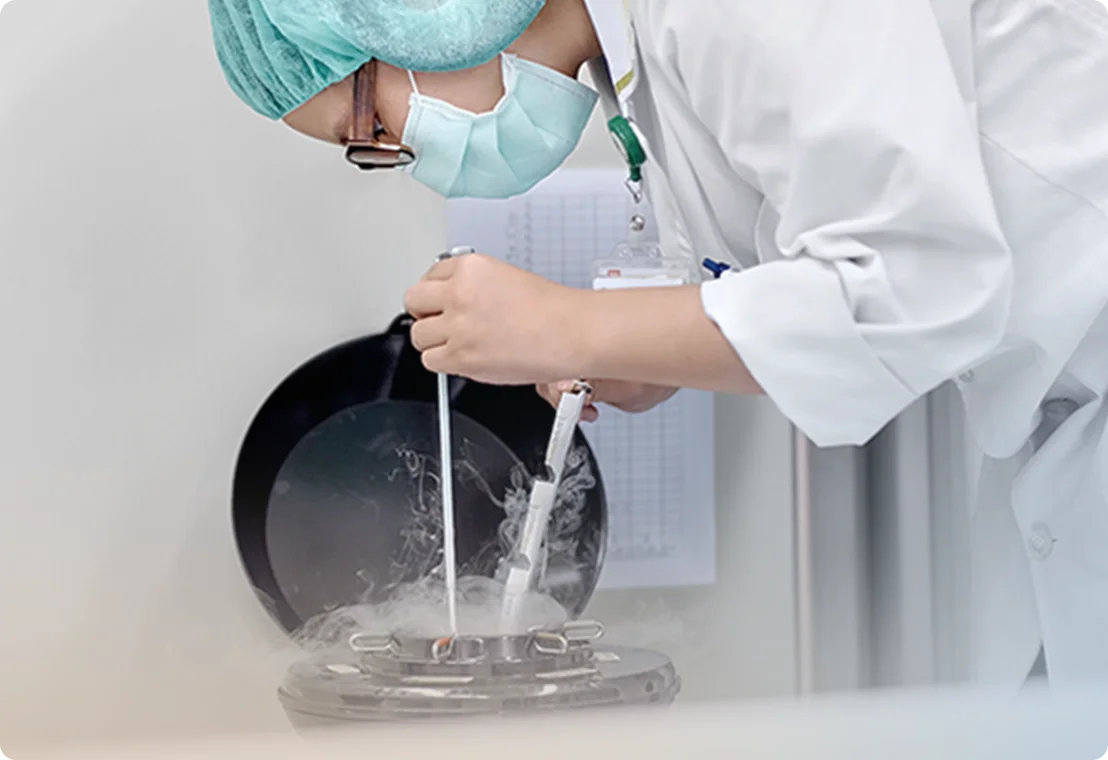
A sperm sample is collected and prepared in the laboratory. When required, sperm may be obtained through a surgical sperm retrieval procedure.

Egg Collection

Once the eggs are ready, they are collected through a minimally invasive procedure performed under appropriate sedation or anaesthesia.

ICSI Fertilization

Using a specialized micromanipulation technique, an embryologist carefully injects a single sperm directly into each mature egg to assist fertilization.

Embryo Culture

Following fertilization, the resulting embryos are cultured in the embryology laboratory and monitored as they develop over the following days.

Ready to Start Your ICSI Journey?

Consult with Genea Thailand’s experienced fertility specialists to discuss your fertility concerns, explore whether ICSI may be right for you, and learn more about your treatment options.

What Our Patients Say

Hear directly from patients about their experiences with Genea Thailand.

Intracytoplasmic Sperm Injection (ICSI)

☑️ Eggs are collected following ovarian stimulation.

☑️ Sperm are prepared and assessed in the laboratory.

☑️ An embryologist selects an individual sperm for injection.

☑️ A single sperm is carefully injected directly into a mature egg.

☑️ The eggs are monitored for signs of fertilization.

☑️ Successfully fertilized eggs continue to be cultured and monitored as embryos.

ICSI vs IVF: What’s the Difference?

ICSI vs. IVF

ICSI vs. IVF

In Vitro Fertilization (IVF)

☑️ Eggs are collected following ovarian stimulation.

☑️ A prepared sperm sample is placed together with the eggs in the laboratory.

☑️ Sperm are allowed to fertilize the eggs naturally.

☑️ The embryology team monitors fertilization and subsequent embryo development.

When May ICSI Be Recommended?

ICSI may be considered in situations such as:


☑️ Low sperm count — when there are fewer sperm available for fertilization.

☑️ Poor sperm motility — when sperm have difficulty moving effectively.

☑️ Abnormal sperm morphology — when a high proportion of sperm have an abnormal shape or structure.

☑️ Previous failed or low fertilization with conventional IVF — particularly when a previous IVF cycle resulted in few or no fertilized eggs.

☑️ Sperm retrieval — when sperm need to be obtained through a surgical sperm retrieval procedure, such as following vasectomy or certain conditions affecting sperm production or delivery.

☑️ Previous IVF treatment — when your fertility specialist believes ICSI may be appropriate based on your previous treatment outcomes and individual circumstances.


Which Is Right for You?


There is no single fertilization method that is right for every patient. The decision to use conventional IVF or ICSI depends on your individual fertility history, sperm and egg characteristics, previous treatment outcomes and your fertility specialist's assessment.


At Genea Thailand, our fertility specialists work closely with our embryology team to determine the most appropriate fertilization approach as part of your IVF treatment.

ICSI FAQs

How long should I try naturally before turning to IVF or ICSI?
If youre over 35 and have been trying for 6 months or under 35 and been trying to conceive for 12 months with no success, call a Genea Fertility Specialist. It doesnt mean you need IVF but should do some simple investigations.
How do I know if I need ICSI?
ICSI is most commonly recommended by a Fertility Specialist if sperm numbers are low or sperm motility is poor. Otherwise, it is likely IVF will be prescribed.
Who is suitable for ICSI?
Fertility specialists often suggest ICSI when sperm count is low or motility is poor. Otherwise, IVF is typically the prescribed course of action.
This website uses cookies for best user experience, to find out more you can go to our Privacy Policy and Cookies Policy